66 years. One Vision. A Million Success Stories.
23
States in India
341
AVARD Members
21
Active Projects
20
Executive Committee Members
12+
Globalization Work
382+
Happy Donators
127+
Success Mission
509+
Volunteer Reached
300+
Positive Feedback
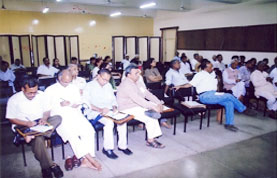
AVARD is a well known open, secular, non-political, non-party, non-profit national association (network) of 328 autonomous voluntary agencies (NGOs) engaged in rural development throughout India.
Main Objective
To promote cooperation and understanding among voluntary agencies working for the rural communities in India.
Our Vision
Deeply influenced by its genesis and promoters, AVARD’s vision of the future is that of a free, autonomous, self-reliant, non-exploitative, egalitarian Indian society, with minimal dependence on the State.
Our Mission
To network and strengthen voluntary agencies and synergise voluntary action to endeavour to facilitate society’s continuing resolve and quest for freedom.
The Association of Voluntary Agencies for Rural Development (AVARD) is a collective of non-governmental organizations (NGOs) and community-based organizations dedicated to enhancing the lives of rural communities. Our mission is to promote sustainable development by empowering marginalized and underserved populations in rural areas, focusing on education, health, livelihoods, women's empowerment, and environmental sustainability.
AVARD serves as a platform for collaboration among civil society organizations, government bodies, and other stakeholders to drive positive change at the grassroots level. We believe in community-led development and work towards creating self-reliant, resilient communities that can address their own challenges and opportunities. By building local capacities, advocating for social justice, and ensuring inclusivity, AVARD aims to create a lasting impact on the socio-economic well-being of rural populations.
States in India
AVARD Members
Active Projects
Executive Committee Members
Globalization Work
Happy Donators
Success Mission
Volunteer Reached
Positive Feedback
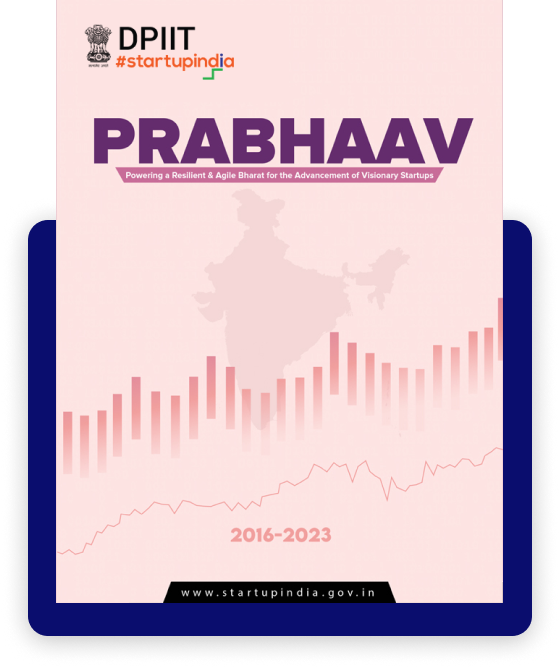
Over the past few years, the Indian Startup Ecosystem has witnessed a remarkable growth with significant developments on multiple fronts. Treading on the path leading to a consistently evolving startup ecosystem, India achieved a landmark feat in June 2023, with more than 1,00,000 startups being recognised by Startup India, Department for Promotion of Industry and Internal Trade (DPIIT).
Ever since the launch of the Startup India Initiative in January 2016 by the Hon’ble Prime Minister, the Indian startup ecosystem has had an inspiring journey. To capture the journey that has led India to achieve the milestone of more than 1,00,000 startups, Startup India has launched a detailed factbook.
Building upon indigenous innovation and inclusivity across regions, sectors and beyond, the Indian startup ecosystem celebrates the landmark of creating more than 1,00,000 startups as it continues its journey of further creating an impact.
Know more
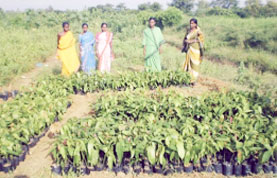
Women’s empowerment through Panchayats has been a major activity/focus during the period under review.
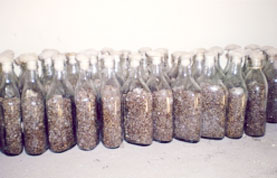
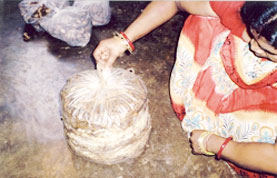
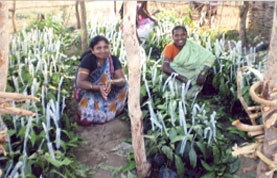
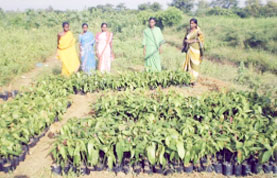
Improved technologies have been introduced to be improved nurseries, cultivation and processing of medicinal herbs.
Unemployment/underemployment and poverty, being among the main problems of the rural poor, have been addressed effectively.
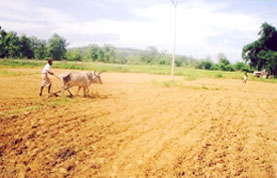
Finishing the unfinished task of land reforms, against land grabbing, and enhancing access of the rural poor to land, livelihood and food security.
Women’s empowerment through Panchayats has been a major activity/focus during the period under review.
Improved technologies have been introduced to be improved nurseries, cultivation and processing of medicinal herbs.
Unemployment/underemployment and poverty, being among the main problems of the rural poor, have been addressed effectively.
Finishing the unfinished task of land reforms, against land grabbing, and enhancing access of the rural poor to land, livelihood and food security.
Women’s empowerment through Panchayats has been a major activity/focus during the period under review.
Improved technologies have been introduced to be improved nurseries, cultivation and processing of medicinal herbs.
Unemployment/underemployment and poverty, being among the main problems of the rural poor, have been addressed effectively.
Finishing the unfinished task of land reforms, against land grabbing, and enhancing access of the rural poor to land, livelihood and food security.
Historian, Thinker, and Gandhian Philosopher
(1922–2006)
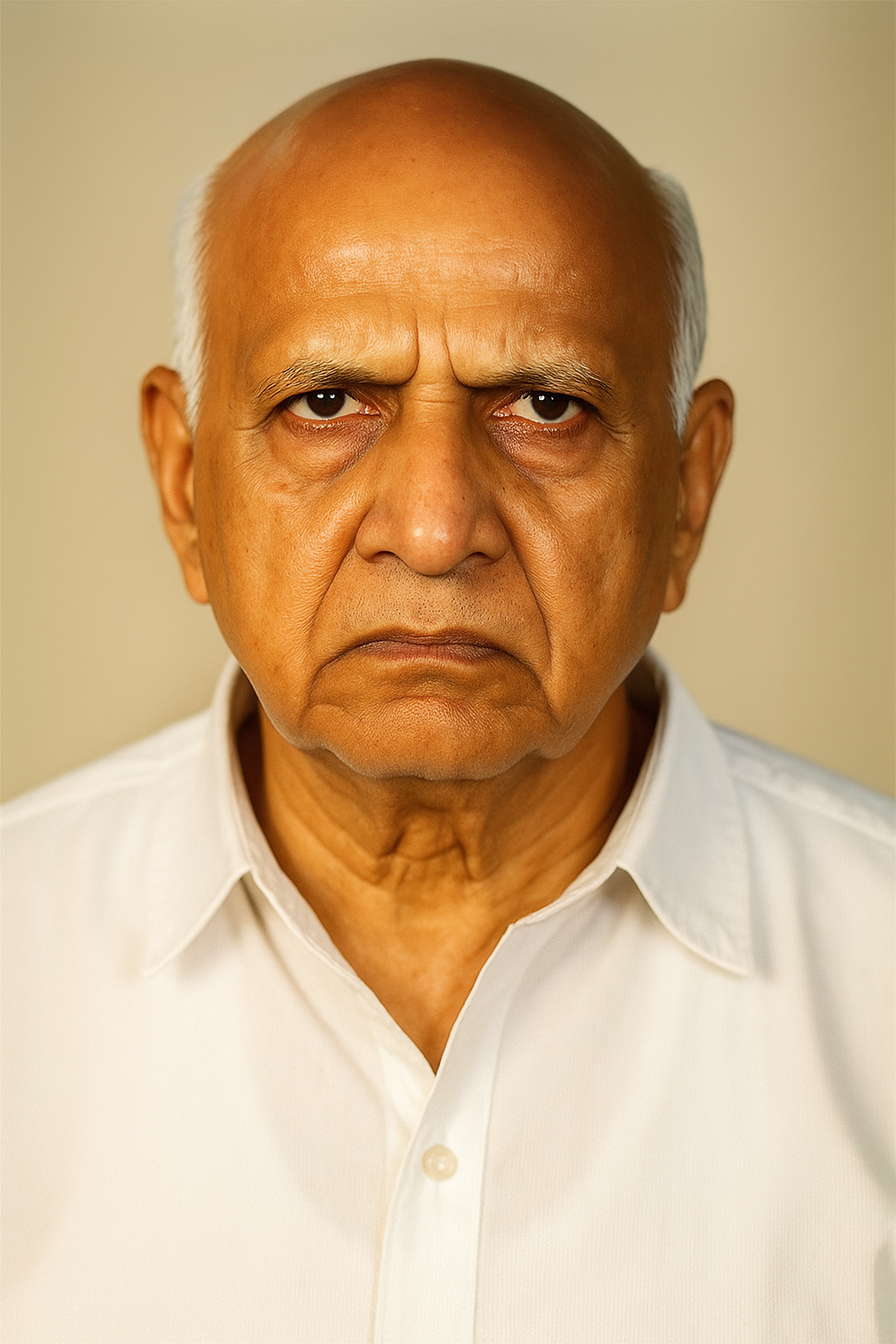
Shri Dharampal was a respected Indian historian and Gandhian thinker who made significant contributions to reinterpreting India’s pre-colonial past through a critical study of British archival records. His work challenged many colonial-era narratives and brought to light the scientific, educational, and technological strengths of traditional Indian society.
He was born in 1922 in Kandhala, Uttar Pradesh. Deeply inspired by Mahatma Gandhi, he actively participated in the Indian freedom movement and later devoted his life to intellectual and historical inquiry rooted in Indian ethos.
Dharampal's most influential work, “The Beautiful Tree”, used British surveys to show that India had a thriving system of indigenous education before the British dismantled it. He highlighted how village schools, craftsmanship, and local governance systems were highly developed and widespread across the country.
Legal Luminary, Former Attorney General of India
(1922–2006)
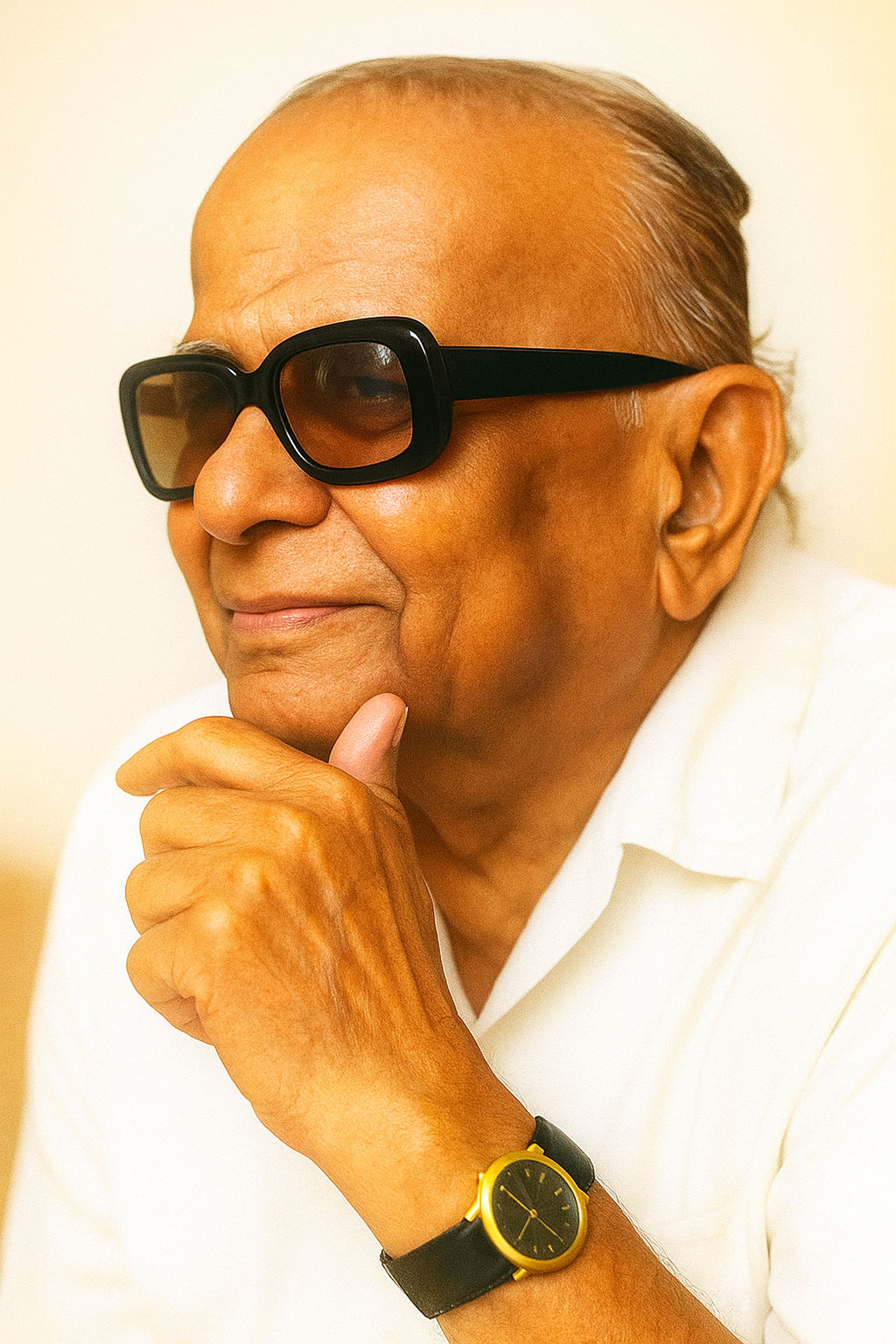
Shri Ashoke Chandra Sen, widely known as A. C. Sen, was a distinguished Indian lawyer, politician, and former Attorney General of India. Renowned for his deep understanding of constitutional law and his advocacy for democratic values, he was a prominent figure in India’s legal and political landscape.
He served as the Attorney General of India, offering legal advice to the Government of India on constitutional and complex legal matters. His legal career was marked by several landmark cases and a reputation for integrity and legal excellence.
Apart from his legal profession, Shri A. C. Sen also had a notable political career. He was associated with the Indian National Congress and served as a Member of Parliament. He also held cabinet positions, including as Union Law Minister, where he contributed to important legislative reforms.
Throughout his life, he remained committed to justice, civil liberties, and the rule of law, earning respect across the legal and political spectrum.
Legal Luminary, Former Attorney General of India
(1902–1979)
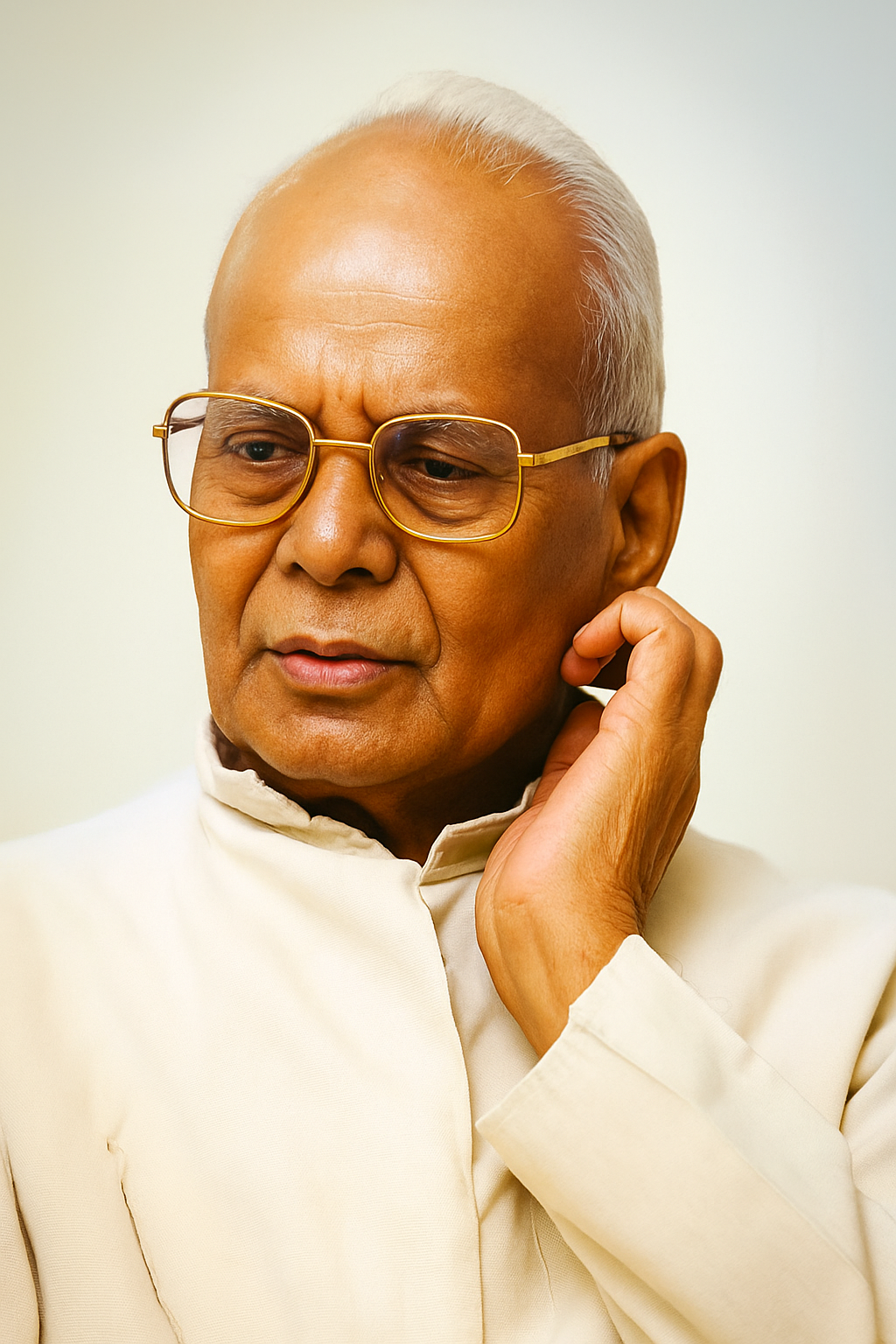
Shri Jayaprakash Narayan, also known as JP or Loknayak, was a prominent Indian freedom fighter, social reformer, and political thinker. He is best remembered for his leadership in the Quit India Movement and, later, for being the voice of Total Revolution against corruption and authoritarianism during the 1970s.
He was born on October 11, 1902, in Sitab Diara, Bihar (then British India). He later went to the United States for higher studies, where he earned degrees in political science, sociology, and economics.
Jayaprakash Narayan joined the Indian National Congress in the 1930s and became an active participant in the Socialist movement. He played a key role in the 1942 Quit India Movement, working closely with Mahatma Gandhi, and was imprisoned several times for his involvement in India’s freedom struggle.
After independence, he remained politically active but gradually distanced himself from formal party politics. He continued to advocate for social transformation, rural development, and socialist ideals. In 1974, he led a massive people's movement against corruption and poor governance, particularly in Bihar and Gujarat, which came to be known as the Total Revolution.
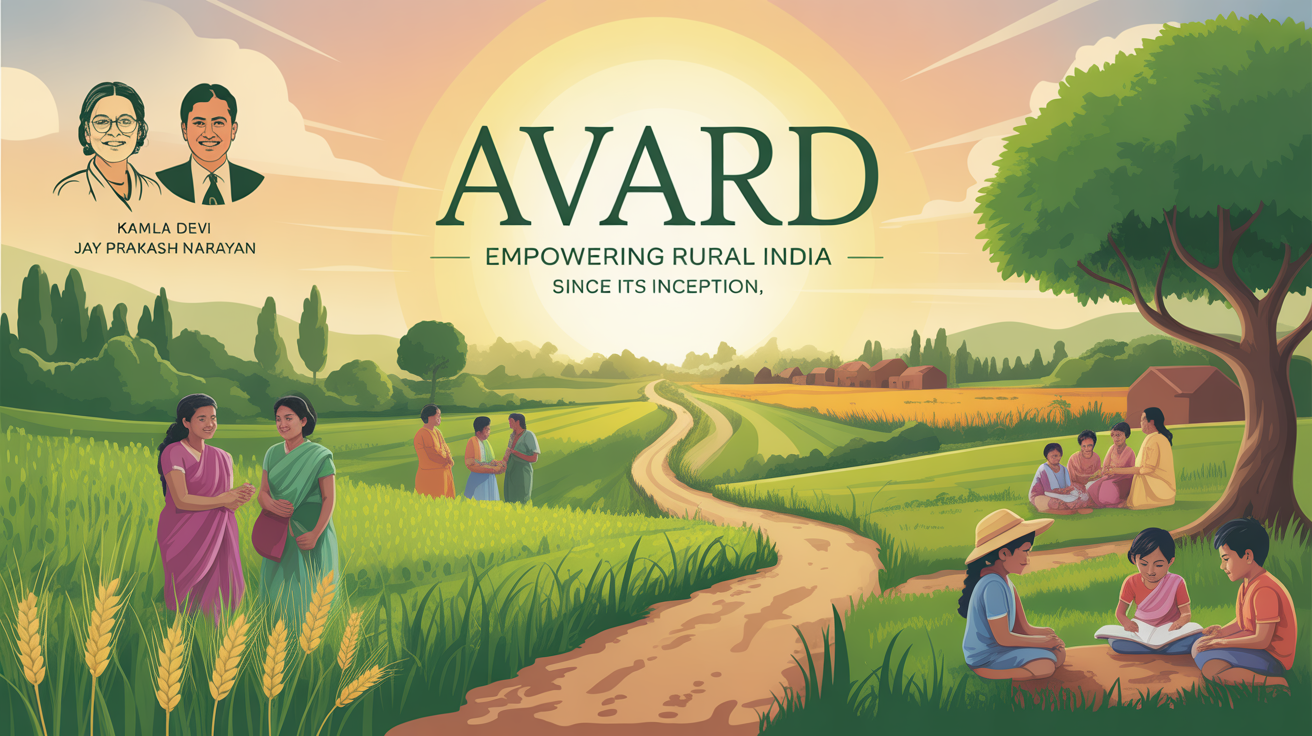
Pioneer of Indian Handicrafts, Freedom Fighter, and Social Reformer
(1903–1988)
Kamaladevi Chattopadhyay is best remembered for her pioneering role in reviving Indian handicrafts, handlooms, and theatre in post-independence India. She founded and supported several key cultural and craft institutions, including the All India Handicrafts Board, the Crafts Council of India, the National School of Drama (NSD), the Sangeet Natak Akademi, and the India International Centre.
She played a crucial role in promoting the cottage industry, with a strong focus on empowering rural women artisans. Additionally, she was instrumental in establishing the Central Cottage Industries Emporium, which helped showcase and promote Indian crafts on a global platform.
Freedom Fighter, Economist, and Advocate of Rural Development
(1925–2010)
Shri Lakshmi Chand Jain, commonly known as L. C. Jain, was a prominent Indian economist, freedom fighter, and social reformer deeply committed to Gandhian ideals of self-reliance and equity. He dedicated his life to the upliftment of rural India and the promotion of cooperative movements.
Born in 1925, L. C. Jain joined the Indian freedom movement at an early age. Deeply influenced by Mahatma Gandhi, he actively participated in the Quit India Movement and worked toward empowering marginalized communities, particularly artisans and farmers.
He played a pivotal role in the growth of cooperative institutions such as Khadi and Village Industries, which aimed to strengthen India’s rural economy. He was also associated with Indian Cooperative Union and helped in refugee rehabilitation after Partition.

Duis aute irure dolor in reprehen pteur sint occaecat cupidatat non proident, sunt in culim id est.